Skip to content

Speaking · Conversations · Ideas

The best business conversations don’t just give people answers.They change the questions they ask.

Business owners are constantly being told what they should do next—grow faster, adopt AI, find more customers, hire, automate, invest.

I prefer to start somewhere else

What actually matters most right now?

My speaking brings together business experience, economic thinking and practical decision-making to help entrepreneurs and leaders look beyond the obvious problem, understand what is really happening, and make stronger decisions about what comes next.

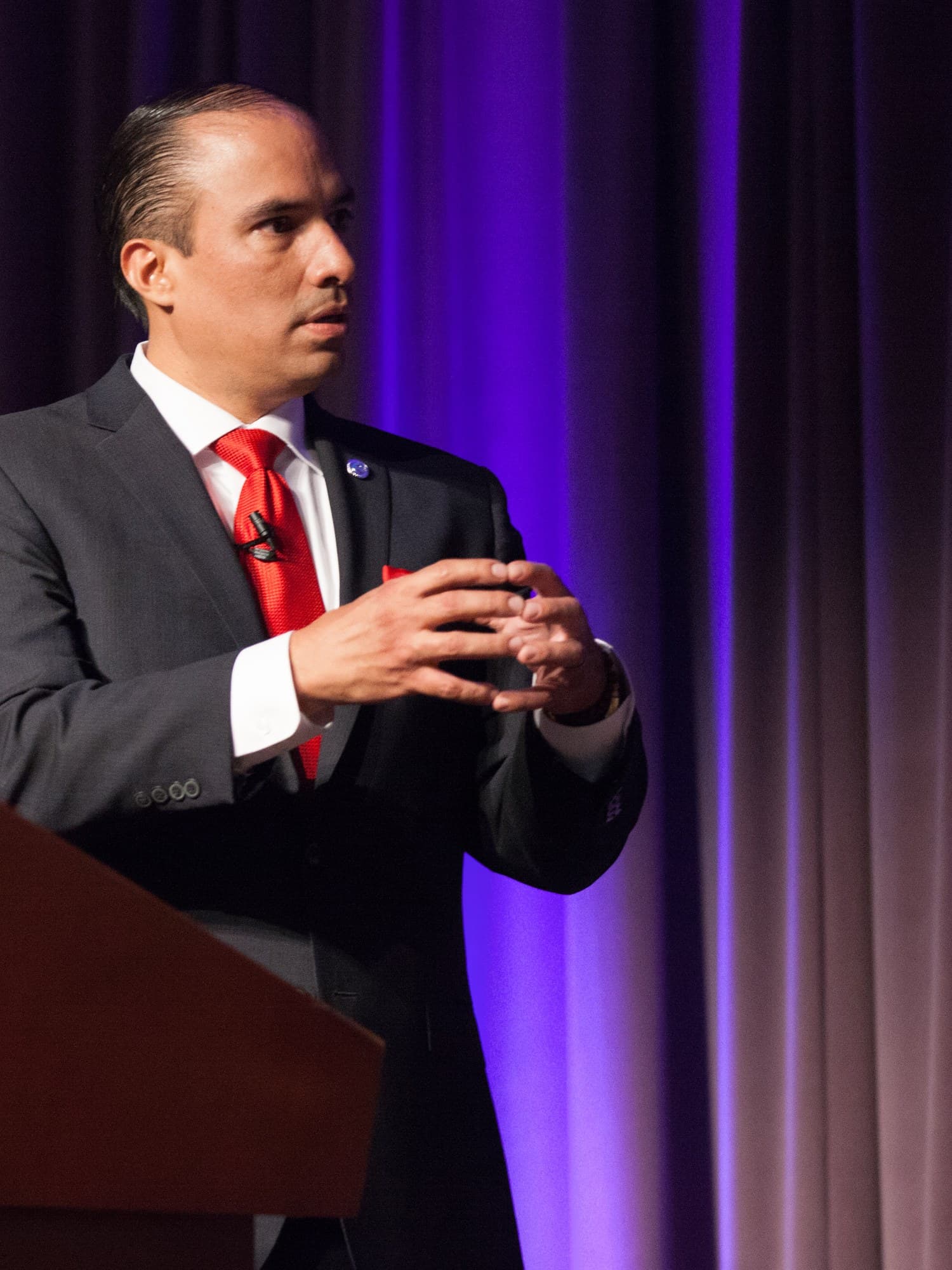
Tayde Aburto speaking on stage, hands mid-gesture as he explains an idea to an audience
Not another business presentation

Ideas people can use after the room empties.

A good presentation should do more than create energy for an hour. My goal isn’t to hand an audience another list of things they “should” be doing — it’s to help them see the relationships between the decisions they make: growth, profitability, customers, people, technology, wealth and the future they are trying to build.

Understand

Understand before you act.

The problem presented first isn't always the problem that matters most.
Strengthen

Make growth strengthen the business.

More revenue means little if margins, cash flow, capacity or operations can't support it.
Build forward

Build for more than today.

A stronger business should create options—for the owner, the family and eventually the next generation.
Conversations worth having

Business decisions rarely exist in isolation.

Each conversation is shaped around the audience, the event and the objective.

01
Building a stronger business

Growth isn’t the goal. A stronger business is.

Progress is usually measured in revenue, customers or headcount. But a company can grow while becoming financially weaker, harder to run and more dependent on its owner.

Is growth making the business stronger?

Profitability, cash flow, positioning, capacity, enterprise value — and the difference between getting bigger and getting better.
02
The decision behind the decision

Sometimes the problem you’re trying to solve isn’t the problem holding the business back.

What is presentedWhat is often underneath
A marketing problemmay actually be a positioning problem.
A sales problemmay be a customer problem.
A hiring problemmay be a capacity problem.
Revenue growthmay expose margin, cash flow and operating constraints.

The quality of a business decision depends on the quality of the diagnosis that comes before it.

03
AI, judgment & the future of small business

AI can give business owners more answers. The opportunity is helping them make better decisions.

Small businesses don’t need technology because it is new. They need technology that helps them understand their companies, cut unnecessary work and spot problems earlier.

Where does technology create leverage — and where does judgment still matter?

… and why the future may belong to entrepreneurs who learn to combine both.

04
From business success to generational wealth

Eventually every entrepreneur has to think beyond growth.

For many owners the business is their largest financial asset. Yet years go into revenue without building enterprise value, transferability or a plan for what happens next.

ResilienceA business capable of absorbing difficulty without losing its footing.
WealthValue that accumulates beyond income alone — in the business, for the owner and ultimately for the family.
LegacyA business and body of value built to create options beyond the founder and carry opportunity forward.

… and the decisions that turn success into generational prosperity.

05
Financial confidence & economic opportunity

Knowledge changes what people believe is possible.

Financial education is not simply about understanding money. It influences the decisions families make, the businesses entrepreneurs build and the opportunities communities can pursue.

Knowledge
Confidence
Options

From my work in financial education and small-business advocacy: how practical knowledge and better decision support build stronger economic futures.

The goal isn’t for people to leave with more ideas.

It’s for them to leave clearer about the decision that matters next.

Invite Tayde to speak

Who I speak with

Different rooms. A common challenge: making better decisions with limited time, information and resources.

What decision matters most?

The room changes. The question doesn’t.
Entrepreneurs & small-business ownersGrowth, profitability, decision-making and building a stronger company.
Corporate small-business & supplier communitiesPrograms that help entrepreneurs navigate changing economic and technological conditions.
Associations & chambersBusiness education, entrepreneurship and the issues facing small-business communities.
Financial institutions & economic-mobility organizationsFinancial confidence, business resilience and economic opportunity.
Universities & emerging entrepreneursEntrepreneurship, decision-making and the realities behind building something of value.
Leadership & policy conversationsSmall-business competitiveness, technology and the conditions entrepreneurs need.
The right conversation for the room

Keynote when the moment calls for a keynote. Conversation when conversation creates more value.

One → manyKeynotes

A clear argument and practical takeaways.

ExchangeFireside conversations

A personal discussion about decisions and lessons learned.

Multiple perspectivesPanels & moderated discussions

Business, economic and technology perspectives in a broader conversation.

Small-group exchangeExecutive & entrepreneur sessions

A smaller room where the audience engages rather than listens.

Amplified outwardMedia & interviews

Practical commentary on business, AI and small-business issues.

On stage. In conversation. In the room.

The setting changes. The responsibility doesn’t.

Respect their time.

Understand the room.

Say something worth carrying forward.

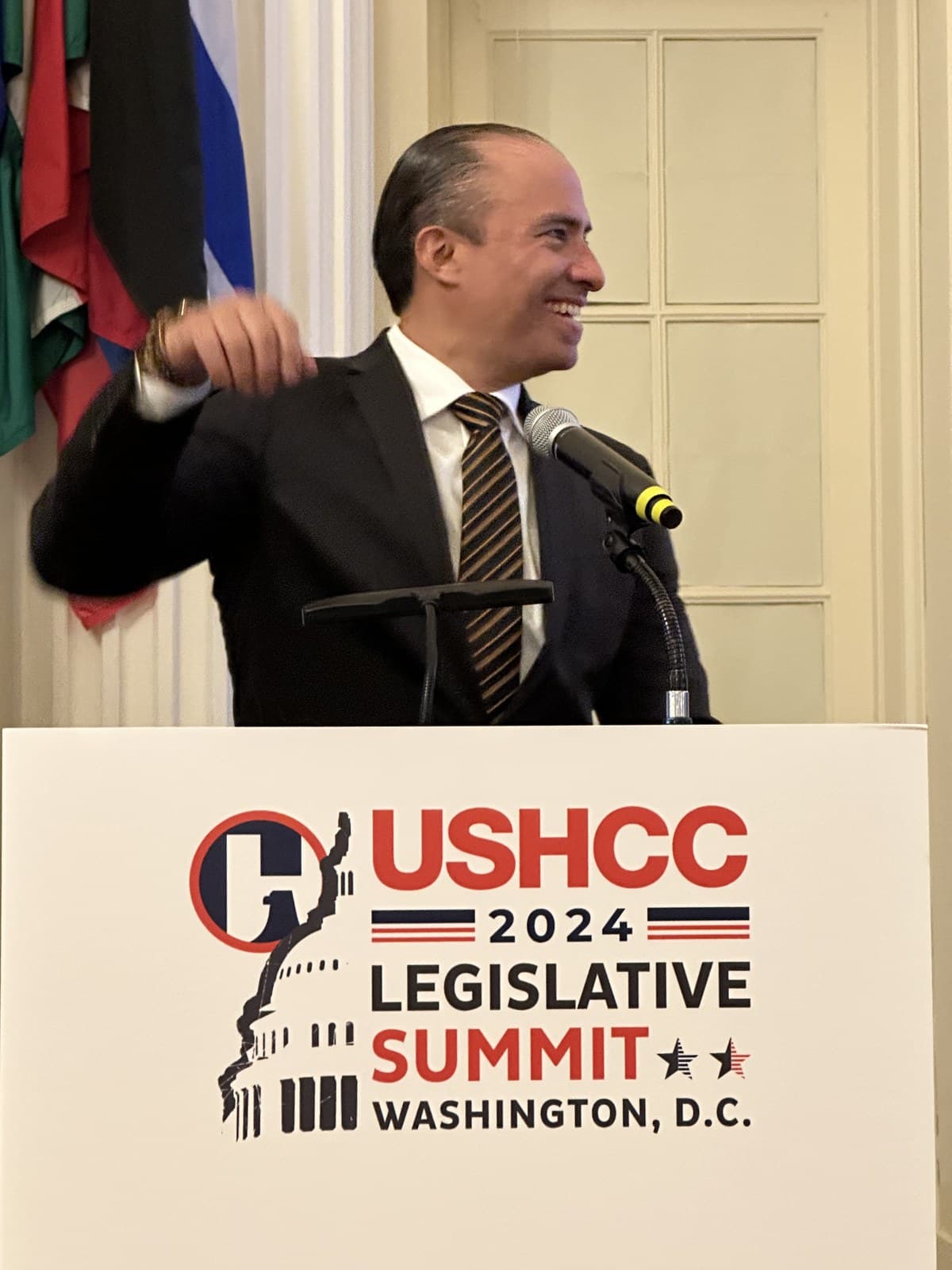
Tayde Aburto speaking at the USHCC 2024 Legislative Summit in Washington, D.C.
Institutional setting · Washington, D.C.

My work has placed me in conversations across entrepreneurship, financial education, economic opportunity, technology and small-business advocacy — from community settings to media and policy rooms. But the objective isn’t to collect stages.

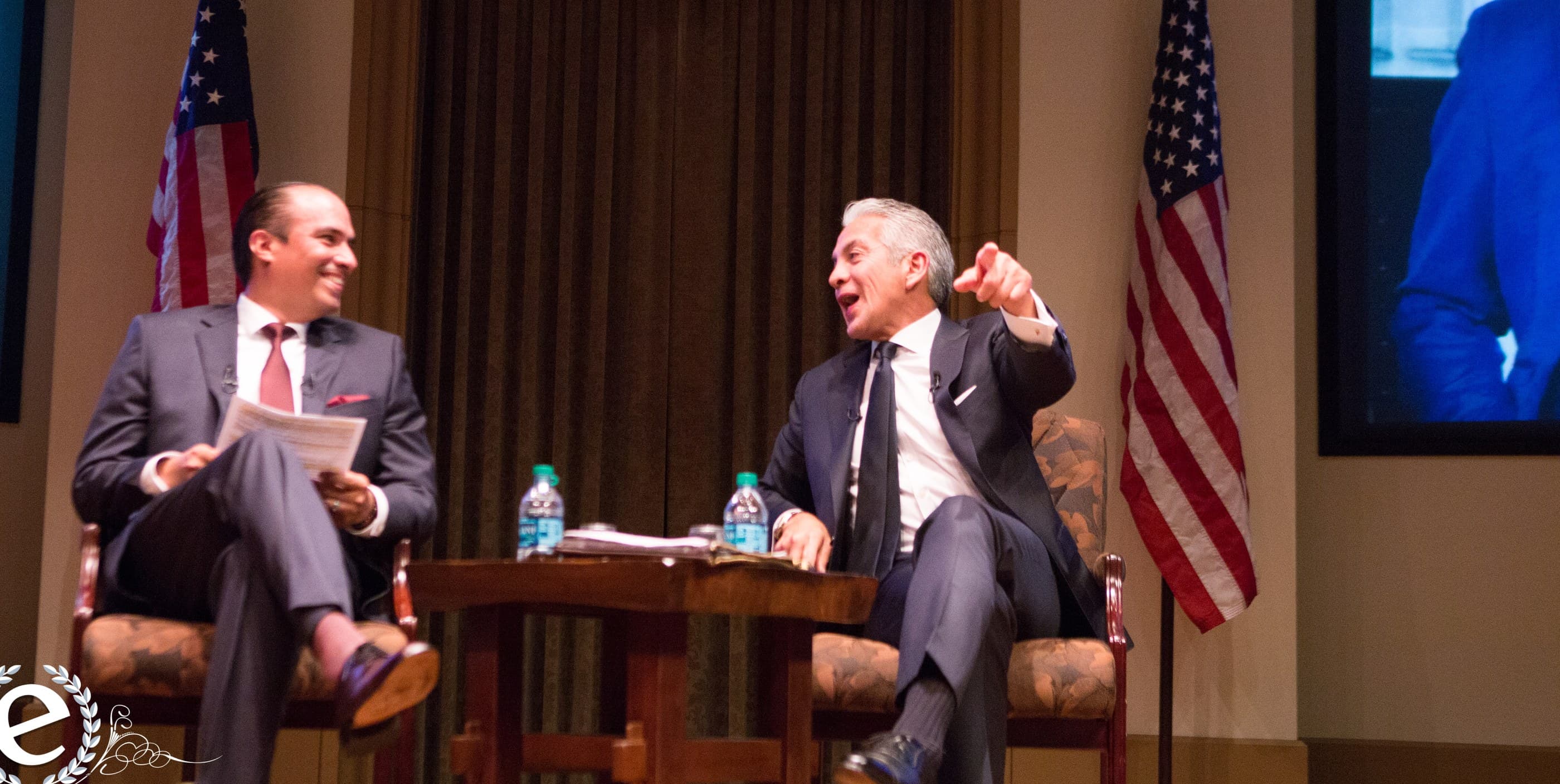
Tayde Aburto seated on stage in a fireside conversation, listening with notes in hand while the other participant speaks

In conversation · listening, not presenting

It’s to make the conversation useful.

What I want an audience to leave with

You don’t need to act on everything. You need to understand what matters.

A business owner can have ten legitimate priorities and still need to decide which one deserves attention first.

Understand before recommending.

A business should create options — for the owner, the family and the future.

Evidence matters more than persuasion.

Growth should make the business stronger.

Technology should support judgment.

Continue the conversation

The stage isn’t the only place I share ideas.

What is changing?

What actually matters?

What deserves attention now?

What can wait?

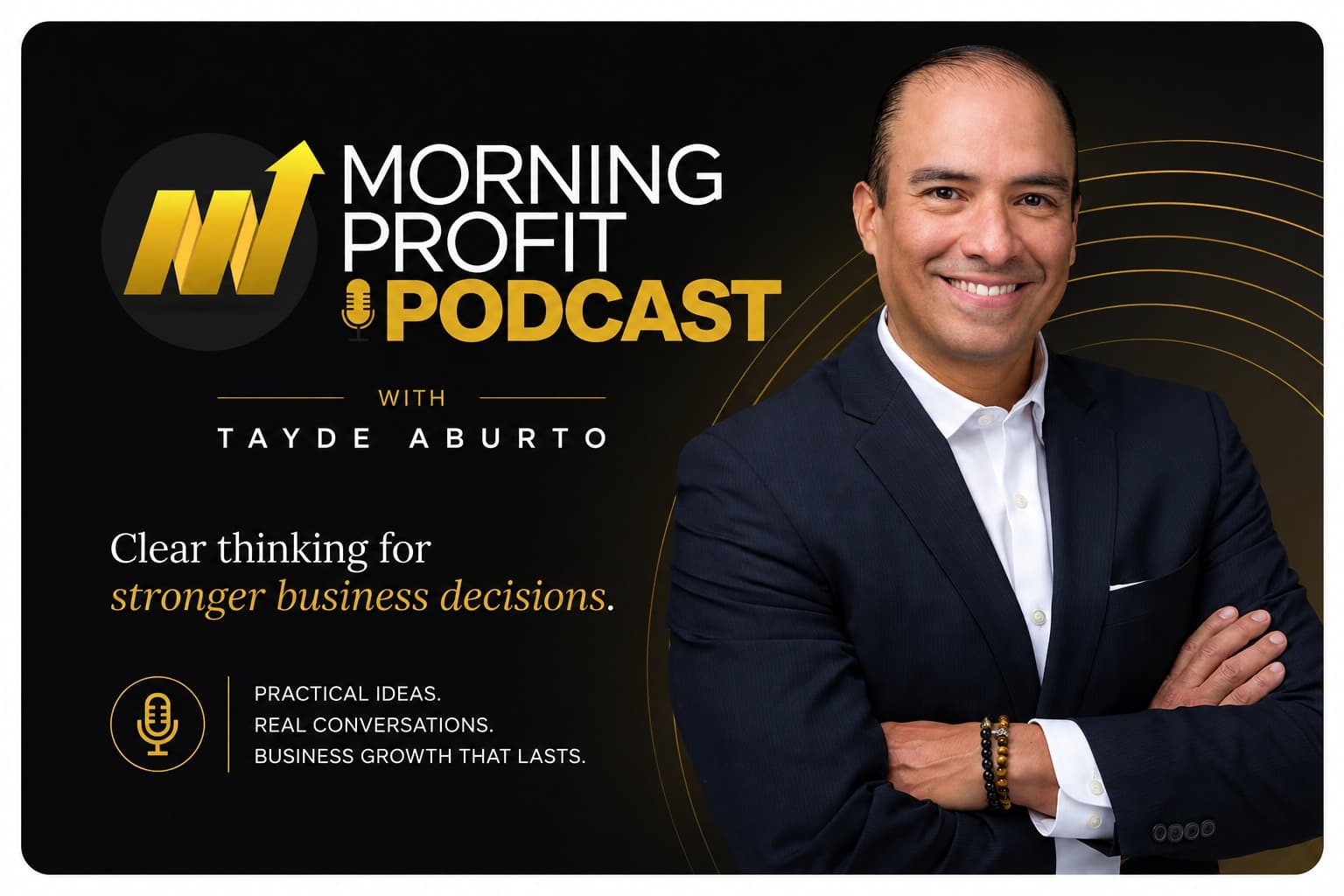
Morning Profit Podcast artwork: Tayde Aburto, arms folded, beside the show title and the line “Clear thinking for stronger business decisions.”
Morning Profit · Podcast

Conversations about the decisions business owners are actually facing.

Listen to Morning Profit
LinkedInBusiness thinking and commentary.Follow
InsightsArticles and deeper ideas.Read
NewsletterIdeas delivered directly.Join

Speaking inquiries

Let’s create a conversation worth having.

Tell me who’s in the room, what they’re working against, and what you want them to leave thinking differently about. We can determine whether I’m the right fit — and what kind of conversation would create the most value.

For conferences, corporate programs, associations, entrepreneur events, universities, media and institutional conversations.