
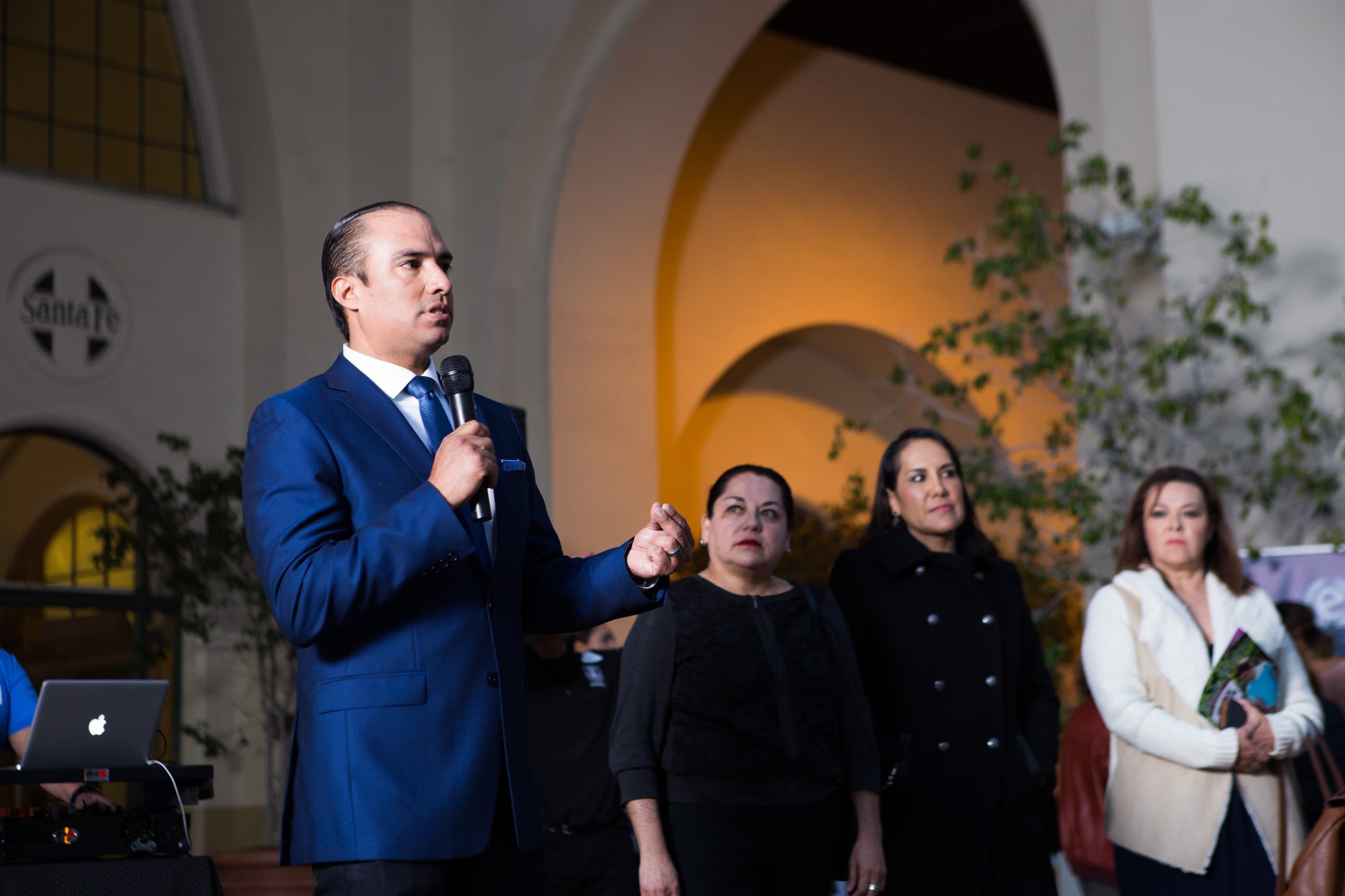
About Tayde Aburto
The decisions that shape what we build are often made
before the answer is obvious.
I’ve spent much of my career building organizations, developing businesses and working with entrepreneurs where the stakes are real—people, capital, customers and families can all be affected by what happens next. That experience changed the way I think about growth.
Before deciding what to do next, understand what actually matters.
The work has changed.
The mission hasn’t.
Entrepreneurship, business growth, marketing, technology, financial education, small-business advocacy. The environments changed. The question underneath them didn’t.
How do we help people make better decisions about their businesses, their money and their future?
That question has become the thread connecting my work.
Read the fuller story
My career hasn’t followed a single straight line. I’ve helped build organizations. I’ve worked with entrepreneurs trying to solve difficult business problems. I’ve developed platforms intended to make knowledge and opportunity more accessible. I’ve spent time in boardrooms, studios, community settings and conversations with business owners trying to figure out what to do next.
Those experiences shaped the way I see growth today. A stronger business isn’t built by chasing every opportunity. It’s built by understanding what matters, making better decisions and creating something capable of producing value well beyond the next sale. That belief connects nearly everything I do — business growth, financial confidence, entrepreneurship, technology, economic mobility, generational prosperity. They may look like different areas of work. To me, they’re part of the same idea: give people better tools to make important decisions—and you can change what becomes possible.
Experience taught me not to begin with the solution someone asks for. I want to understand the business first.
The problem presented first isn’t always the problem that matters most.
- A marketing problem
- positioningmay actually be a problem.
- A sales problem
- customermay be a problem.
- A hiring problem
- capacitymay really be a problem.
Looking across the whole company, finding the constraint or opportunity that matters most, and helping determine what should happen next.
Tayde AburtoBusiness Growth ArchitectGrowth is not the same thing as becoming stronger.
My fuller point of view
A company can get bigger while margins deteriorate, cash gets tighter and it depends more on its owner. Growth should give an entrepreneur more choices — not simply more obligations. More marketing isn’t always the answer; sometimes the product or positioning has to improve first. More revenue isn’t always better growth; the economics underneath it matter. Technology can’t fix a broken process. Data doesn’t make the decision. And sometimes the right answer is “not yet” — a recommendation is only valuable when the business is ready for it.
Sometimes nothing is fundamentally broken. The opportunity may be recognizing what the business is already doing unusually well—and building around it.
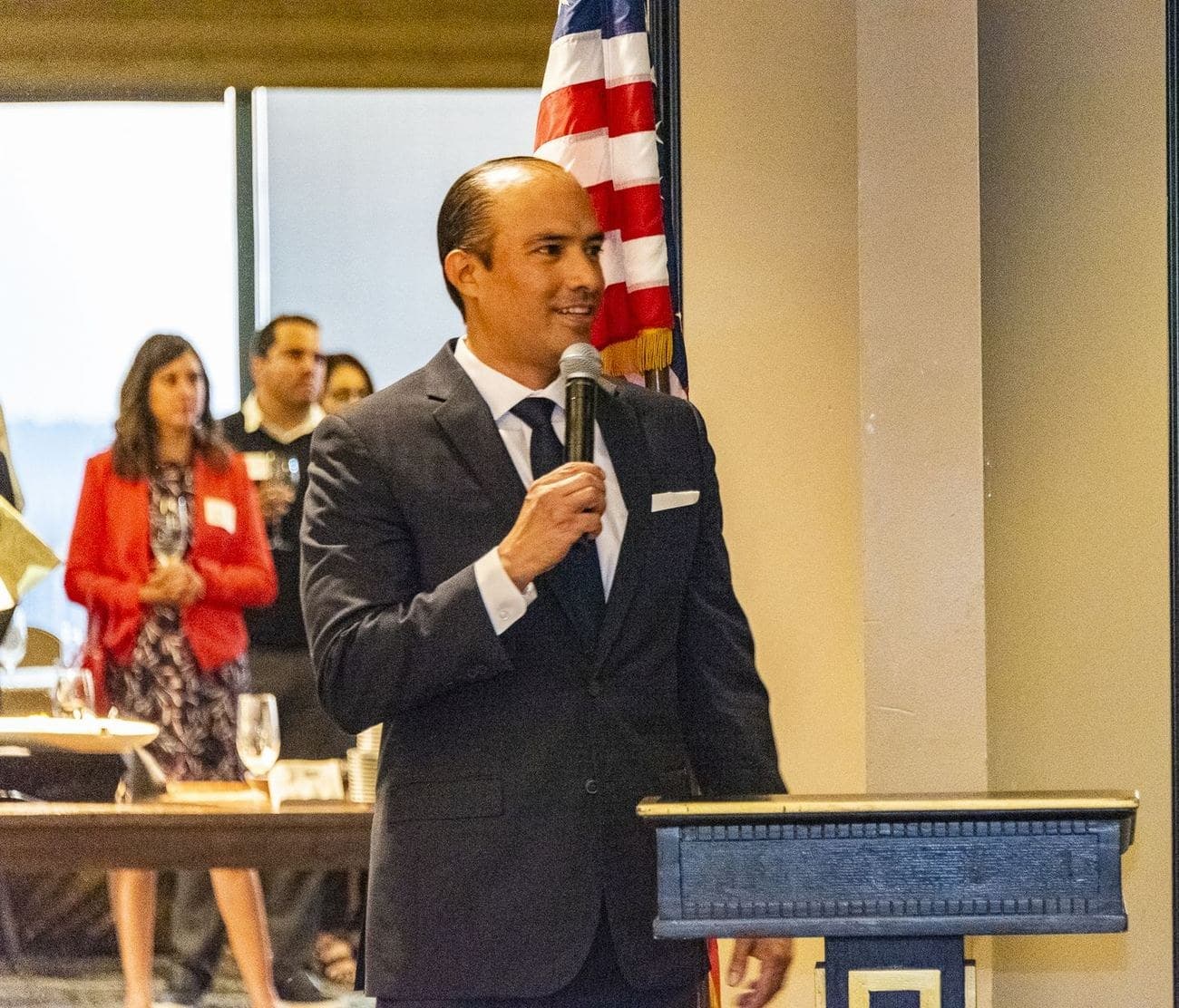
I understand the responsibility that comes with building something.
Entrepreneurship looks very different from the inside. Payroll clears or it doesn’t. Capital is committed before anyone knows whether it was right. Employees, customers and families are attached to decisions they never see being made.
A recommendation has consequences.
Business advice stops being theoretical the moment someone’s livelihood is attached to it. That is why I would rather understand a business before telling anyone what to do with it — and why I would rather build something people can use than describe something they cannot.
Why this matters to me
Often the owner carries knowledge and responsibility that very few people around them completely see. That perspective matters to me. Business advice shouldn’t exist in a vacuum.
A large part of my work has involved building — organizations, business initiatives, educational platforms, content, technology, systems, frameworks. The common denominator is that I am interested in ideas that can move beyond theory and become useful in the real world. That is also why technology has become increasingly important in my work: not because technology is the mission, but because it can help good ideas reach more people and operate more consistently.
For many entrepreneurs the business becomes the most important financial asset their family will ever own. What it builds does not stop there.
A stronger business can change much more than the owner’s income.
- BusinessHealthier economics, more capacity, more options.
- FamilyIncome, independence, security — something that can be carried forward.
- CommunityStronger entrepreneurs need stronger ecosystems around them.
- Economic opportunityBetter decisions, compounding, across more households than one.
Better financial decisions can change the trajectory of a family, which is why I helped build Tu Futuro Finanzas, a bilingual financial education platform. And because entrepreneurs need an environment where they can succeed, my leadership with the Hispanic Chamber of E-Commerce has focused on entrepreneurship, economic opportunity and digital competitiveness.
Building financial confidence. Creating generational prosperity.
Not more content. Not more answers. Something deeper.
Technology should make judgment more useful — not make people irrelevant.
- 01Can technology continuously understand a business?
- 02Can it help identify what is changing?
- 03Can it distinguish symptoms from underlying problems?
- 04Can it recognize when evidence is insufficient?
- 05Can it help an owner evaluate options?
- 06Can it remember previous decisions and learn from them?
The goal is to make better business intelligence available continuously.
It is an extension of the methodology, not a product standing beside it. It does not replace the owner, and it does not replace judgment.
What happens to everything you’ve built?
Eventually every entrepreneur has to think beyond growth. A company that has been built well can become more than income — enterprise value, personal wealth, options, a business that can be transferred, and eventually something a family carries forward.
AuthorTayde Aburto is the author of Generational Legacy, a book about building stronger businesses, creating lasting value and preparing what entrepreneurs build to benefit the people and generations that follow.
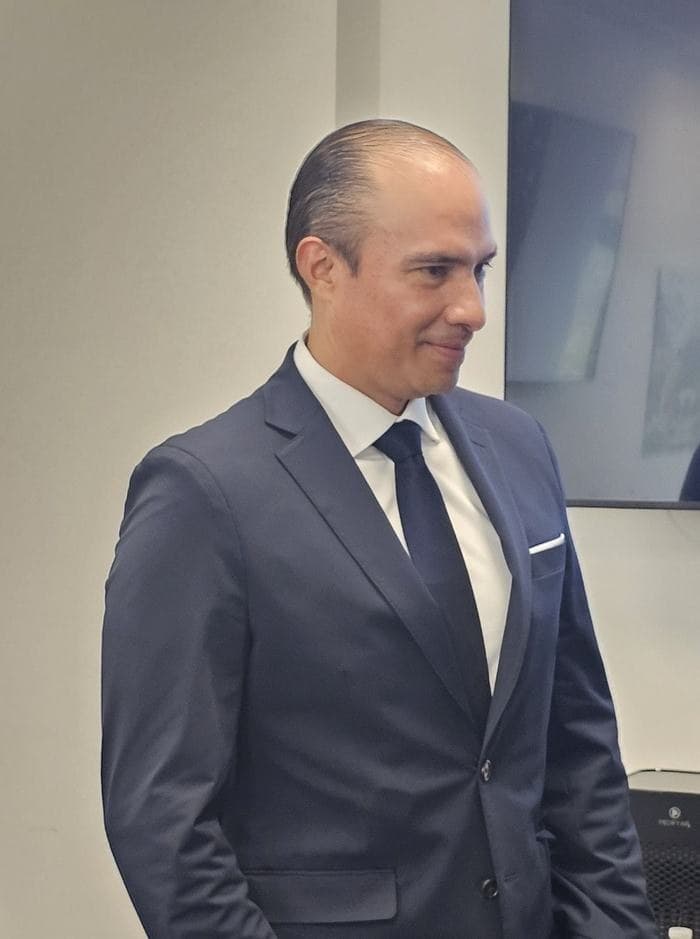
The more you understand, the better questions you learn to ask.
- 01Bachelor’s in Economics
- 02Master’s in Marketing
- 03Tuck Executive Education at Dartmouth
- 04Business Growth Architect · Est. 2012
Understand first. Recommend second.
A business should create options — for the owner, the family and the future.
Not everything deserves attention at the same time.
Better decisions build better futures. · Growth should make the business stronger. · Evidence matters more than persuasion. · Technology should support judgment, not replace it.
Help people make better decisions that create stronger economic futures.
One mission. Today it shows up as five kinds of work.
- 01Business Growth
- 02Aburto AI
- 03Financial Education
- 04Generational Legacy
- 05Small-Business Advocacy
Ideas are more useful when they continue beyond a website.
Practical analysis and ideas about business, growth and decision-making.
Read the latest InsightsBetter insights. Smarter decisions. Stronger businesses.
With Tayde Aburto · Business Growth ArchitectOne useful idea for building a stronger business.
The next decision
The business you build today can create options for years to come.
What do you want yours to make possible?
If you’re trying to understand what’s limiting your business, where the strongest opportunity exists or which decision deserves your attention next, that’s a conversation I’m always interested in having.